
Planning to hike through one of Peru’s most spectacular mountain regions? Knowing what to pack for the Ausangate Trek is an important part of preparing for the adventure.
The Ausangate Trek is a high-altitude trekking adventure in Peru’s Cusco region, where travelers should prepare for cold temperatures, changing weather and demanding mountain terrain. The route takes hikers through remote Andean landscapes surrounded by glaciers, colorful lakes and snow-covered peaks.
This guide covers the essential clothing, footwear and hiking gear to consider before your trip. You’ll also find practical information about altitude, weather, cultural significance and the best time to visit, helping you prepare for the journey with greater confidence.
Whether you’re planning an independent adventure or a fully supported trek, smart preparation allows you to spend less time worrying about your equipment and more time enjoying the Peruvian Andes.
Table of Contents
Ausangate Trek at a Glance
Before packing your backpack, it helps to understand the environment you’ll be trekking through.
Ausangate is located in the Cusco region of southeastern Peru, within the Cordillera Vilcanota. According to Peru’s official tourism inventory, Nevado Ausangate reaches 6,385 meters (20,948 feet) above sea level, making it the highest mountain in the Cusco region.
| Feature | Information |
|---|---|
| Location | Cusco Region, Peru |
| Mountain Range | Cordillera Vilcanota |
| Mountain Elevation | 6,385 m / 20,948 ft |
| Nearest Area | Ocongate and Pacchanta |
| Landscape | Glaciers, mountain passes and high-altitude lakes |
| Adventure Type | High-altitude trekking |
Where Is Ausangate Located?
The mountain is located in the province of Quispicanchi, within the district of Ocongate. The Pacchanta area is one of the closest communities to the mountain, while Ausangate is located approximately 120 kilometers southeast of Cusco.
How High Is Ausangate Mountain?
Ausangate reaches 6,385 meters (20,948 feet) above sea level. Standard trekking routes do not climb to the summit but instead travel through the valleys and high mountain passes surrounding the massif.
Why Is Ausangate So Special?
Ausangate combines dramatic mountain scenery with a remarkable sense of remoteness. Glaciers, colorful lakes, snow-covered peaks and traditional Andean communities create an experience that feels very different from Peru’s more crowded trekking destinations.
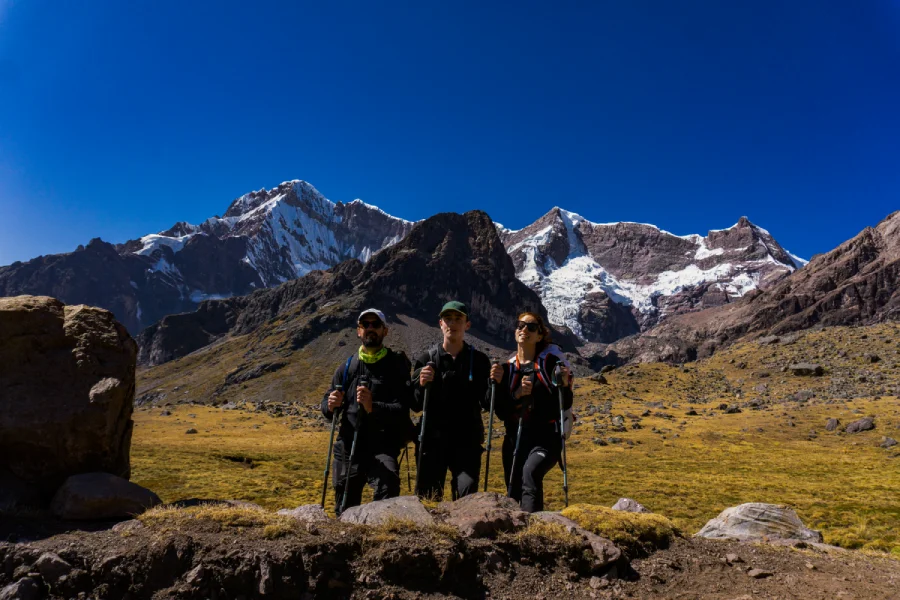
What to Pack for the Ausangate Trek: Quick Checklist
Before looking at each item in detail, here is a practical overview of the essentials.
Clothing
- Moisture-wicking base layers
- Warm mid-layer or fleece
- Insulated jacket
- Waterproof and windproof outer layer
- Comfortable hiking pants
- Warm socks and thermal clothing for camp
Footwear
- Broken-in hiking boots with good traction
- Comfortable camp shoes
- Extra hiking socks
Hiking Gear
- Small daypack
- Trekking poles
- Reusable water bottle or hydration system
- Headlamp
- Rain cover for your backpack
Sun and Personal Protection
- UV-protection sunglasses
- Sunscreen
- Sun hat
- Warm beanie
- Gloves
- Personal medications
Your final packing list may vary depending on the season, itinerary and type of trek you choose.
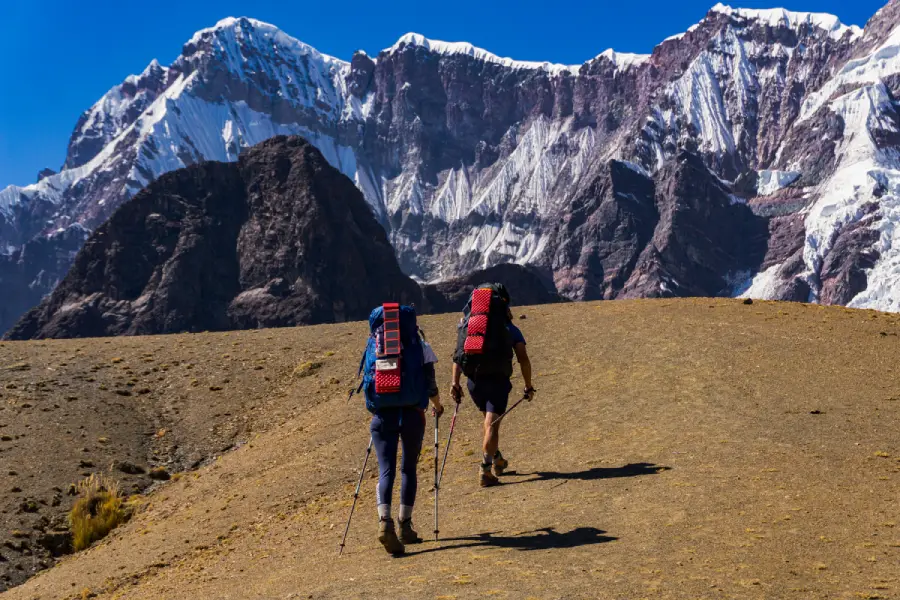
What Clothes Should You Wear on the Ausangate Trek?
The most practical way to dress for Ausangate is to use a layering system. Temperatures and weather conditions can change throughout the day, so adaptable clothing is generally more useful than relying on one heavy jacket.
Base Layers
Your base layer sits directly against your skin. Choose lightweight, moisture-wicking materials that help you stay dry while hiking.
Thermal layers can be particularly useful during cold mornings and evenings. Cotton is generally less practical because it retains moisture.
Mid Layers
A fleece or similar insulating layer provides warmth while remaining relatively breathable. You can easily add or remove it as temperatures and activity levels change.
Insulated Jackets
A warm insulated jacket is useful during cold mornings, rest breaks and evenings at camp. Lightweight down or synthetic jackets can provide substantial warmth without adding excessive bulk.
Waterproof and Windproof Layers
Weather conditions around Ausangate can change rapidly, and snowfall may occur at different times of the year. A reliable waterproof and windproof outer layer should therefore be part of your trekking clothing system.
Hiking Pants
Choose comfortable hiking pants that allow freedom of movement and provide protection from wind and changing weather. Thermal leggings or waterproof outer pants may provide additional protection depending on the conditions.
What to Wear at Camp
After a long day of hiking, changing into dry clothing can make a significant difference to your comfort. Consider keeping a separate set of:
- Thermal layers
- A warm jacket
- Dry socks
- A beanie
Try to keep these items dry throughout the day so they are ready when you reach camp.
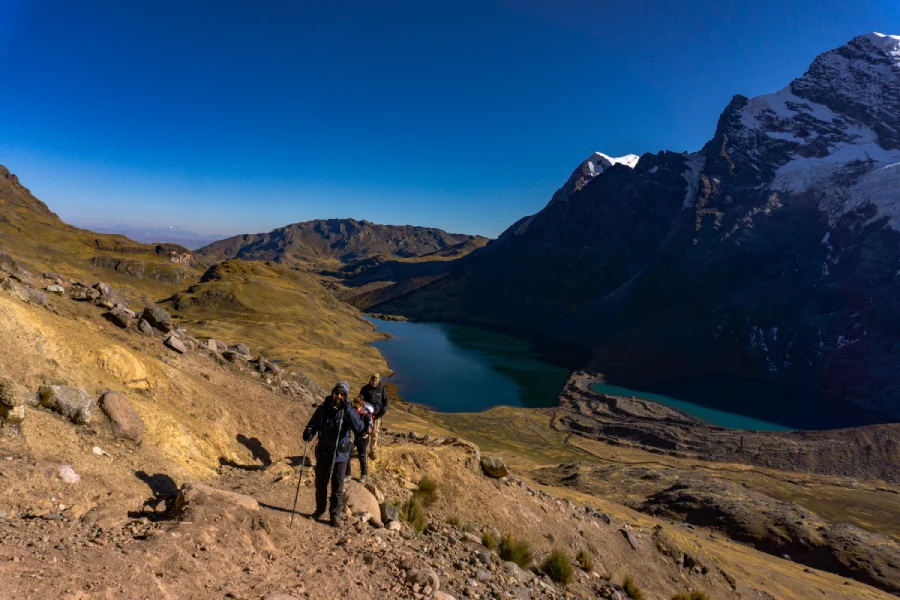
The Best Footwear for the Ausangate Trek
Your footwear can have a major impact on your trekking experience. Ausangate routes can include uneven, rocky and high-altitude terrain, so comfort and traction should be priorities.
Hiking Boots
Sturdy, broken-in hiking boots with reliable grip are highly recommended. Good ankle support may also be helpful on uneven terrain, while waterproof materials can provide additional protection in wet conditions.
Most importantly, your boots should fit properly and remain comfortable during long days of walking.
Why You Should Never Wear New Boots on the Trek
A multi-day trek is not the place to test brand-new hiking boots. New footwear can cause blisters and uncomfortable pressure points.
If you purchase boots specifically for your trip, wear them on shorter walks and hikes beforehand.
Comfortable Shoes for Camp
After spending hours in hiking boots, lightweight camp shoes can be a welcome addition. Remember that temperatures can drop significantly after sunset, so choose footwear appropriate for cold conditions.
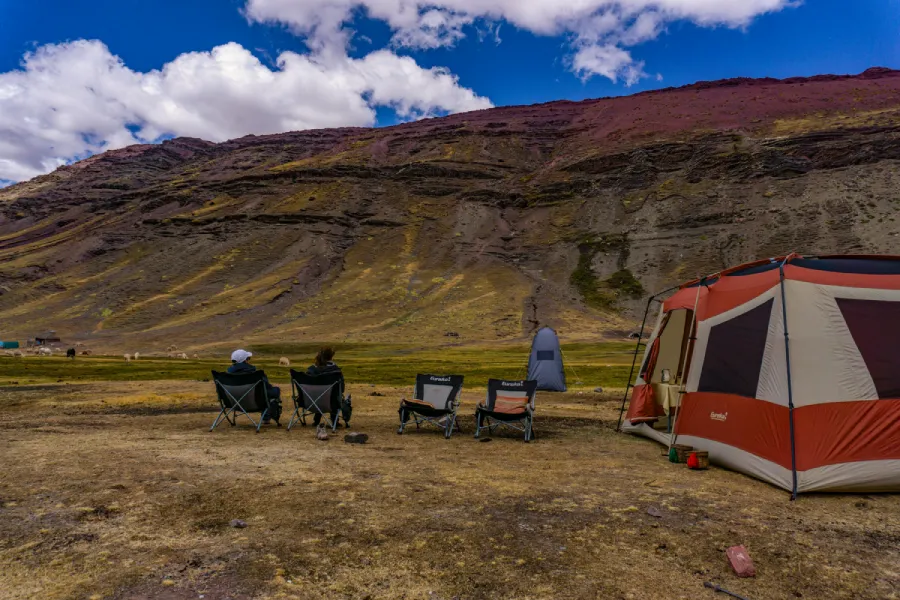
Essential Hiking Gear for the Ausangate Trek
The right equipment can make your trek more comfortable without adding unnecessary weight to your backpack.
Daypack
A comfortable daypack is useful for carrying water, snacks, extra layers, sun protection and personal essentials. For many supported treks, a 20–30-liter pack can provide enough space for your daytime needs.
Trekking Poles
Trekking poles are not mandatory, but they can provide additional stability on uneven terrain and may be particularly helpful during long descents.
If you plan to use them, practice beforehand so you feel comfortable using them on the trail.
Water Bottles or Hydration Systems
Staying hydrated is important during any demanding trek. Bring a reusable water bottle or hydration system and confirm how drinking water will be provided during your specific itinerary.
Headlamp
A headlamp is useful during early mornings, after sunset and while moving around camp. Check the batteries before your trip and consider carrying a backup power source.
Sunglasses and Sun Protection
Cold temperatures do not mean weak sunlight. At high altitude, sun exposure can still be intense.
Pack quality UV-protection sunglasses, sunscreen and a sun hat.
How Cold Is the Ausangate Trek?
Temperatures around Ausangate can vary considerably depending on altitude, season, weather and time of day.
According to Peru’s official tourism inventory, daytime temperatures in the area can range from approximately 0°C to 10°C (32°F to 50°F), while nighttime temperatures can fall to around -10°C (14°F) in some areas and conditions.
These figures should be understood as general conditions rather than a guaranteed forecast for every trekking route or campsite.
Morning Temperatures
Early mornings can feel particularly cold before the sun reaches the valleys and trails. Thermal layers, gloves, a warm hat and an insulated jacket can be useful when starting the day.
Weather During the Day
Conditions can change quickly. A sunny morning may feel relatively warm while hiking, but wind, clouds or precipitation can quickly affect your comfort.
Keeping a waterproof layer and additional insulation in your daypack is a practical strategy.
Cold Nights at High Altitude
Nights are usually the coldest part of a multi-day trek. Dry thermal clothing, warm socks and an appropriate sleeping system are important for staying comfortable.
Why Layering Is Important
Ausangate’s temperatures can change significantly throughout the day. A flexible layering system allows you to adjust your clothing without carrying or wearing one excessively heavy jacket.
How Should You Prepare for the Altitude?
Altitude is one of the most important challenges of trekking in the Ausangate region. While physical fitness can help you enjoy the trek, it does not automatically protect you from the effects of high elevation.
Proper preparation and acclimatization should therefore be an important part of your travel plan.
Spend Time Acclimatizing
Give yourself time to adapt before beginning a demanding trek. Many travelers spend several days in the Cusco region before starting their Ausangate adventure.
The exact amount of time needed varies from person to person.
Stay Hydrated
Carry water during the day and drink regularly. Your individual hydration needs can vary according to weather and activity levels.
Listen to Your Body
Pay attention to how you feel as you travel and trek at higher elevations. Headaches, unusual fatigue or other symptoms should not be ignored.
Always communicate concerns to your guide or trekking team. If you have questions about your ability to travel or exercise at high altitude, consult a qualified healthcare professional before your trip.
Why Physical Preparation Matters
A good level of physical fitness can make the trek more enjoyable. Before traveling, consider preparing through regular hiking, long walks or other endurance-focused activities.
However, fitness and acclimatization are not the same thing. Even experienced hikers need to respect the effects of altitude.
What Makes the Ausangate Trek Different?
Ausangate is more than a challenging mountain trek. Its remote setting, dramatic scenery and connection with traditional Andean communities create a distinctive experience.
Remote Andean Landscapes
One of Ausangate’s greatest attractions is its sense of remoteness. Long sections of the journey pass through open valleys and mountain landscapes where nature becomes the focus.
Glaciers and Snow-Capped Mountains
Ausangate dominates the surrounding landscape with glaciers and snow-covered peaks. These dramatic views are among the main reasons travelers seek out this region of the Peruvian Andes.
Colorful Lakes
Depending on the route, trekkers may encounter beautiful high-altitude lakes displaying striking shades of blue, turquoise and green.
Local Andean Communities
Traditional communities remain an important part of the cultural landscape surrounding Ausangate. Travelers may encounter local residents, alpacas and llamas throughout the high Andean valleys.
High Mountain Passes
Many routes cross demanding mountain passes at significant elevations. These sections can be physically challenging but reward hikers with remarkable panoramic views.
A Brief History and Cultural Importance of Ausangate
Ausangate is more than an extraordinary mountain landscape. For communities in the Cusco region, it also holds deep cultural and spiritual significance.
Peru’s official tourism inventory describes Ausangate as a protector and an important provider of water and life for surrounding communities.
Ausangate as an Apu
In the Andean worldview, powerful mountains can be recognized as Apus, sacred beings associated with protection and the natural world.
Understanding Ausangate’s role as an important sacred mountain adds another dimension to the trekking experience. It is not simply a destination to photograph or cross but a landscape that continues to hold meaning for the people who live around it.
Connection with Local Communities
The cultural landscape surrounding Ausangate remains closely connected to traditional communities and high-altitude ways of life.
The mountain is also associated with the religious tradition of Qoyllur Rit’i, one of the most important pilgrimages in the Andes. Visiting the region therefore also means respecting the communities, traditions and landscapes that give Ausangate its cultural significance.
What Is the Best Time to Trek Ausangate?
Choosing when to visit Ausangate can influence trail conditions, visibility and what you need to pack.
According to MINCETUR, the dry season from May to September is generally the most recommended period because of the lower probability of precipitation. However, mountain weather can change rapidly, and snowfall may occur at different times of the year.
The Dry Season
The dry season is a popular period for trekking because lower chances of rain can create more favorable hiking conditions.
However, dry conditions do not necessarily mean warm temperatures. Cold mornings and nights remain an important consideration.
The Rainy Season
Outside the main dry season, travelers should prepare for a greater chance of rain and changing trail conditions.
Waterproof clothing, protection for your backpack and appropriate hiking footwear become even more important during wetter periods.
What to Expect During Each Season
- Dry season: Generally lower chances of precipitation and popular trekking conditions.
- Wetter months: Greater potential for rain and changing trail conditions.
Regardless of when you travel, always check current conditions before beginning your trek.
What Should You Not Pack for the Ausangate Trek?
Packing efficiently is almost as important as remembering the essentials. Carrying unnecessary weight can make a demanding trek more difficult.
Avoid packing:
- Too many clothes: Choose versatile layers instead of a different outfit for every day.
- Heavy cotton clothing: It retains moisture and is less practical in changing mountain conditions.
- Unnecessary electronics: Bring only what you genuinely need.
- Brand-new hiking boots: Test them before your trek.
- Excessively heavy personal items: Every unnecessary kilogram can make a difference.
The goal is simple: pack smart, not heavy.
What Do You Need to Bring on a Supported Trek?
A supported trek can simplify many of the logistical challenges of a multi-day mountain adventure. However, you will still need to arrive prepared with appropriate personal clothing and essential items.
Personal Items You Should Carry
Even when trekking with professional support, you should normally bring:
- Appropriate hiking clothing
- Broken-in hiking boots
- Personal toiletries
- Sunscreen and sunglasses
- Personal medications
- Reusable water bottle
- Camera or smartphone
- Small daypack
Always review the specific packing recommendations for your itinerary before traveling.
Equipment That May Be Provided
Inclusions vary between operators and itineraries. Depending on the experience, services may include camping or accommodation, meals, transportation, guides and logistical support.
Confirming exactly what is included before packing can help you avoid carrying duplicate equipment.
Why a Fully Supported Trek Makes a Difference
A fully supported experience allows you to focus more on the journey itself and less on managing logistics.
Professional guides, transportation, meals and organized support can be particularly valuable in a remote, high-altitude environment.
Experience Ausangate in Comfort with Luxury Glamping
Trekking through the Peruvian Andes does not necessarily mean sacrificing comfort.
A well-organized glamping experience can combine the adventure of hiking through remote mountain landscapes with a comfortable place to rest and recover after each day on the trail.
Our Ausangate Luxury Glamping Trek is designed for travelers who want to experience the dramatic landscapes surrounding Ausangate while enjoying the benefits of a fully supported adventure.
Rather than managing every logistical detail independently, you can focus on the journey, the scenery and the experience itself.
Ready to experience Ausangate differently?
Discover the Ausangate region through an adventure that combines high-altitude trekking with greater comfort and organized support.
Is the Ausangate Trek Worth It?
For the right traveler, the Ausangate Trek can be one of the most rewarding adventures in Peru.
It is not the easiest trekking experience in the Cusco region. High altitude, demanding terrain and changing weather require preparation. However, those challenges are also part of what makes the journey memorable.
The trek may be particularly appealing if you are looking for:
- A challenging high-altitude adventure
- Remote landscapes away from busy tourist areas
- Spectacular mountain scenery
- A deeper connection with the Peruvian Andes
- A different experience from Peru’s more traditional trekking routes
With proper preparation and the right level of support, Ausangate can become one of the most memorable experiences of a trip to Peru.
Frequently Asked Questions About the Ausangate Trek
-
What should I pack for the Ausangate Trek?
Pack adaptable clothing layers, broken-in hiking boots, sun protection, a daypack, water containers and essential personal items. Your final packing list will depend on the season, itinerary and level of support provided during your trek.
-
What should I wear on the Ausangate Trek?
A layering system is the most practical option. Wear a moisture-wicking base layer, an insulating mid-layer and a waterproof or windproof outer layer. You should also pack an insulated jacket and warm clothing for cold mornings and nights.
-
How cold is the Ausangate Trek?
Conditions vary according to the season, altitude and time of day. According to MINCETUR, daytime temperatures in the area can range from approximately 0°C to 10°C (32°F to 50°F), while nighttime temperatures can fall to around -10°C (14°F) in some areas and conditions.
These figures are general estimates, and actual temperatures can vary depending on your exact location and the weather. -
Do I need hiking boots?
Sturdy, broken-in hiking boots with good traction are highly recommended. Ausangate trekking routes can include uneven and rocky terrain, while weather conditions may also create wet or slippery sections.
-
Are trekking poles necessary?
Trekking poles are not mandatory, but they can provide additional stability and may be particularly useful during long ascents and descents.
If you have never used trekking poles before, consider practicing with them before your trip. -
How difficult is the Ausangate Trek?
The Ausangate Trek is generally considered challenging because of its high altitude, demanding terrain and mountain conditions.
The difficulty can also vary depending on the specific route, itinerary and your previous hiking experience. -
How high is the Ausangate Trek?
Ausangate Mountain reaches 6,385 meters (20,948 feet) above sea level. Standard trekking routes do not climb to the summit, but they travel through the surrounding high-altitude landscape and mountain passes.
-
How many days should I acclimatize?
Acclimatization needs vary from person to person. Many travelers choose to spend several days in the Cusco region before beginning a demanding high-altitude trek.
Avoid starting your most physically challenging activities immediately after arriving at a higher elevation, and always pay attention to how your body responds. -
Is the Ausangate Trek suitable for beginners?
Because of its high altitude and demanding terrain, Ausangate can be challenging for first-time trekkers.
However, suitability depends on your physical preparation, previous hiking experience and ability to adapt to altitude. Beginners should carefully evaluate the itinerary and consider an experience with professional guidance and logistical support. -
What is included in a supported trek?
Inclusions vary depending on the operator and itinerary. A supported trek may include guides, transportation, meals, accommodation or camping equipment and logistical assistance.
Always review the specific inclusions of your chosen experience before booking so you know exactly which personal items you need to bring.
Final Thoughts: Are You Ready for the Ausangate Trek?
Preparing for Ausangate begins long before you reach the trail. Choosing the right clothing, footwear and hiking gear—and giving yourself enough time to prepare for the altitude—can make a significant difference to your experience.
But the reward goes far beyond the challenge of packing for a mountain trek.
Ausangate offers the opportunity to explore remote landscapes, walk beneath snow-covered peaks and experience a side of the Peruvian Andes that many visitors never see.
If you’re ready to take on the adventure while enjoying the comfort of an organized and fully supported experience, explore the Ausangate Luxury Glamping Trek and discover a different way to experience this extraordinary mountain region.
Sources and References
The principal factual information regarding Ausangate’s location, altitude, climate, seasonality and cultural importance should be attributed to: