
If you’re wondering how to prepare for the Inca Trail, the good news is that you don’t need to be an experienced trekker. Most travelers can successfully complete the hike by building walking endurance, strengthening their legs and core, improving cardiovascular fitness, practicing on stairs or hills, and spending two or three days acclimatizing in Cusco before starting the trek. Consistency, gradual training, and proper preparation are far more important than athletic performance.
Table of Contents
The Inca Trail to Machu Picchu is often described as one of the world’s most iconic hikes. Every year, thousands of travelers dream of following the ancient stone paths built by the Incas, crossing spectacular mountain passes, cloud forests, and archaeological sites before arriving at the Sun Gate overlooking Machu Picchu.
For many first-time visitors, however, one important question comes to mind:
Am I fit enough for the Inca Trail?
The good news is that you don’t need to be a marathon runner or an experienced mountaineer. With a few weeks of consistent preparation and the right mindset, most healthy travelers can complete the trek comfortably.
This guide explains how to prepare physically for the Inca Trail, improve your endurance, adapt to high altitude, and enjoy every step of the journey.
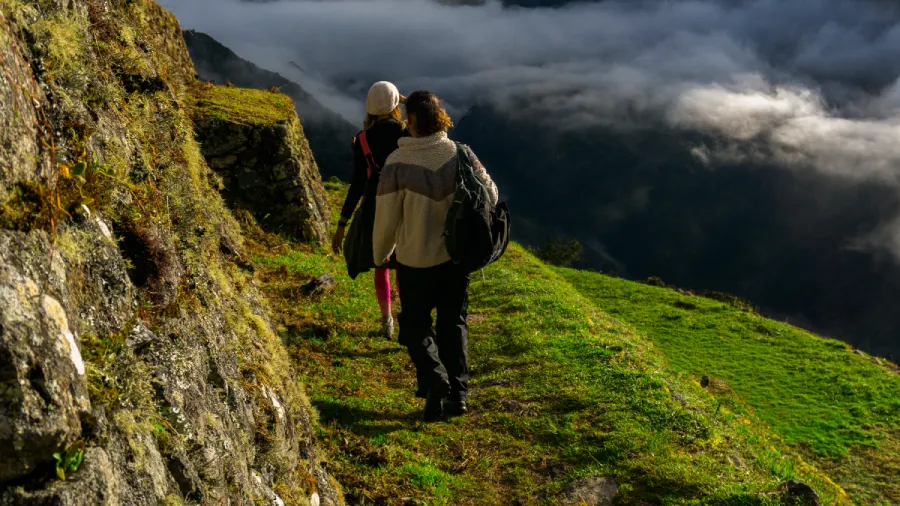
How to Prepare for the Inca Trail: Why Physical Preparation Matters
The Classic Inca Trail is much more than a scenic walk.
Over four unforgettable days, hikers cover approximately 42 kilometers (26 miles) while navigating:
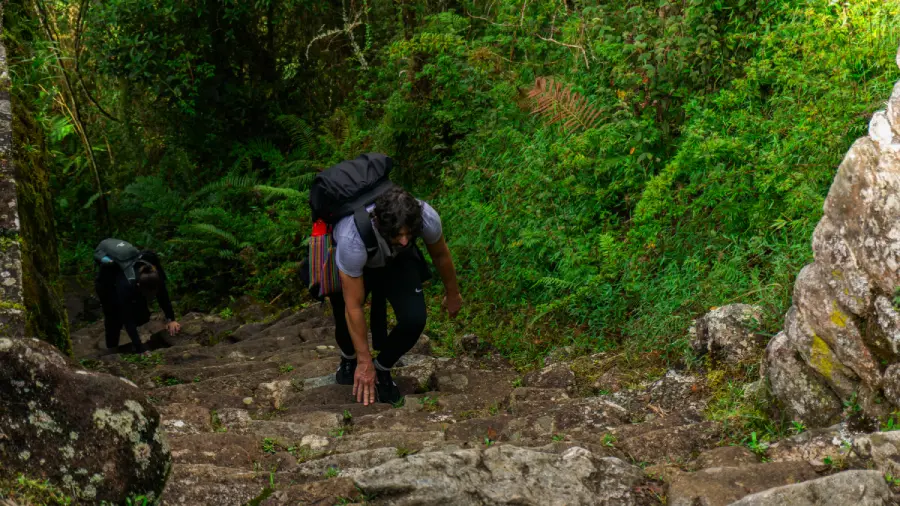
- Ancient Inca stone staircases
- Mountain passes above 4,200 meters (13,780 feet)
- Cloud forests
- Uneven trails
- Changing weather conditions
Although the route is not considered technical, it demands endurance rather than speed.
Preparing your body beforehand allows you to:
- Enjoy the scenery
- Reduce fatigue
- Prevent injuries
- Recover faster each day
- Feel more confident throughout the trek
When Should You Start Training?
Ideally, begin preparing 6 to 8 weeks before your trip.
This gives your body enough time to improve gradually without overtraining.
If you already exercise regularly, four weeks may be enough. If you’re less active, starting earlier is highly recommended.
The goal isn’t to become an athlete—it is simply to become comfortable walking for several hours over consecutive days.
Tip #1: Build Your Walking Endurance
Walking is the best possible training for the Inca Trail.
Start with:
- 30–45 minute walks
- Three or four times each week
Gradually increase your sessions until you’re comfortably walking:
- 2 hours
- 3 hours
- Eventually 4-hour weekend hikes
Whenever possible, walk on:
- Dirt trails
- Gravel paths
- Uneven terrain
- Small hills
Carrying a light backpack during training also helps your body adapt to trekking conditions.
Tip #2: Strengthen Your Legs and Core
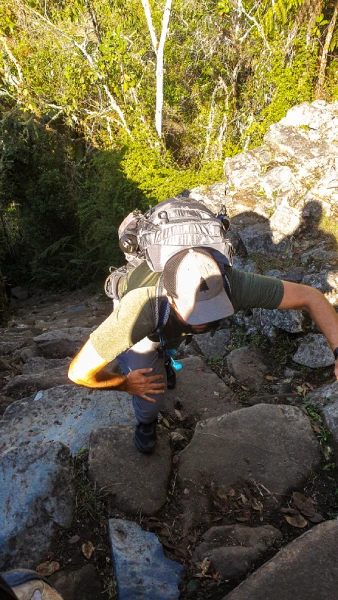
Strong muscles make climbing easier and improve stability on uneven stone paths.
Focus on functional exercises two or three times per week.
Recommended Exercises
- Squats
- Lunges
- Step-ups
- Calf raises
- Planks
- Side planks
- Glute bridges
These movements strengthen the muscles you’ll use throughout the trek without requiring heavy gym equipment.
Tip #3: Practice Stairs and Hills
One characteristic that surprises many hikers is the number of ancient stone staircases along the Inca Trail.
To prepare, include:
- Stair climbing
- Hill walking
- Incline treadmill sessions
Even two short sessions each week can significantly improve your climbing endurance.
If mountains aren’t available where you live, stadium stairs or office buildings provide excellent alternatives.
Tip #4: Improve Your Cardiovascular Fitness
Your heart and lungs work harder at high altitude.
Adding moderate cardio to your routine improves endurance without excessive strain.
Excellent activities include:
- Brisk walking
- Cycling
- Swimming
- Elliptical training
- Light jogging
Aim for 30–40 minutes of moderate exercise three or four times each week.
Consistency always beats intensity.
Tip #5: Prepare for High Altitude
One of the biggest challenges isn’t the distance—it’s the altitude.
The Inca Trail reaches elevations exceeding 4,200 meters (13,780 feet).
To minimize the effects of altitude:
- Arrive in Cusco 2–3 days early
- Stay hydrated
- Eat light meals
- Sleep well
- Avoid alcohol during your first days
- Take gentle walks around Cusco instead of strenuous activities
Acclimatization is one of the most effective ways to enjoy the trek comfortably.
How Fit Do You Really Need to Be?
One of the biggest misconceptions is that the Inca Trail is only for experienced hikers.
In reality, most travelers who:
- Walk regularly
- Prepare for several weeks
- Train consistently
- Pace themselves during the hike
complete the trek successfully.
The journey is designed to be enjoyed—not rushed.
Professional guides maintain a comfortable pace that allows everyone to appreciate the incredible scenery along the route.
Common Training Mistakes
Avoid these common errors:
❌ Starting training only a few days before departure
❌ Ignoring stair practice
❌ Wearing new hiking boots without breaking them in
❌ Overtraining and risking injury
❌ Skipping rest days
❌ Arriving in Cusco the night before the trek
Good preparation is gradual and balanced.
Sample 6-Week Training Plan
| Week | Focus | Goal |
|---|---|---|
| 1 | 30-minute walks | Build consistency |
| 2 | Add squats and lunges | Improve leg strength |
| 3 | Longer walks (60–90 min) | Increase endurance |
| 4 | Stair climbing sessions | Prepare for elevation |
| 5 | 3-hour weekend hike | Simulate trekking |
| 6 | Light training + recovery | Arrive well-rested |
Frequently Asked Questions
-
Can beginners hike the Inca Trail?
Yes. Most beginners can successfully complete the trek with several weeks of preparation and a moderate level of fitness.
-
How long should I train?
Ideally, six to eight weeks before your trip.
-
Do I need to go to the gym?
No. Walking, stairs, and simple bodyweight exercises are usually sufficient.
-
Is altitude harder than the hiking itself?
For many travelers, yes. Spending a few days acclimatizing in Cusco makes a significant difference.
-
What’s the best exercise for the Inca Trail?
Walking on hills or stairs while carrying a light backpack is one of the most effective ways to prepare.
Tip #6: Train for the Adventure—Enjoy the Journey
Preparing physically is one of the best ways to make your Inca Trail experience more enjoyable, but choosing the right tour operator is just as important.
Our Luxury Inca Trail 4 Days experience combines expert local guides, carefully planned itineraries, premium camping equipment, and personalized service to ensure you can focus on the incredible landscapes and the rich history of the Andes.
Whether you’re an experienced hiker or preparing for your very first multi-day trek, our team is here to support you every step of the way.
Tip #7: Final Thoughts
The Inca Trail is not reserved for elite athletes—it is an unforgettable adventure that rewards thoughtful preparation rather than exceptional fitness.
By building your endurance, strengthening your body, practicing on stairs or hills, and allowing time to acclimatize in Cusco, you’ll arrive ready to embrace every moment of the journey.
The reward is far greater than reaching Machu Picchu. It’s the confidence, accomplishment, and unforgettable memories gained with every step along one of the world’s most legendary hiking trails.